Tanzania
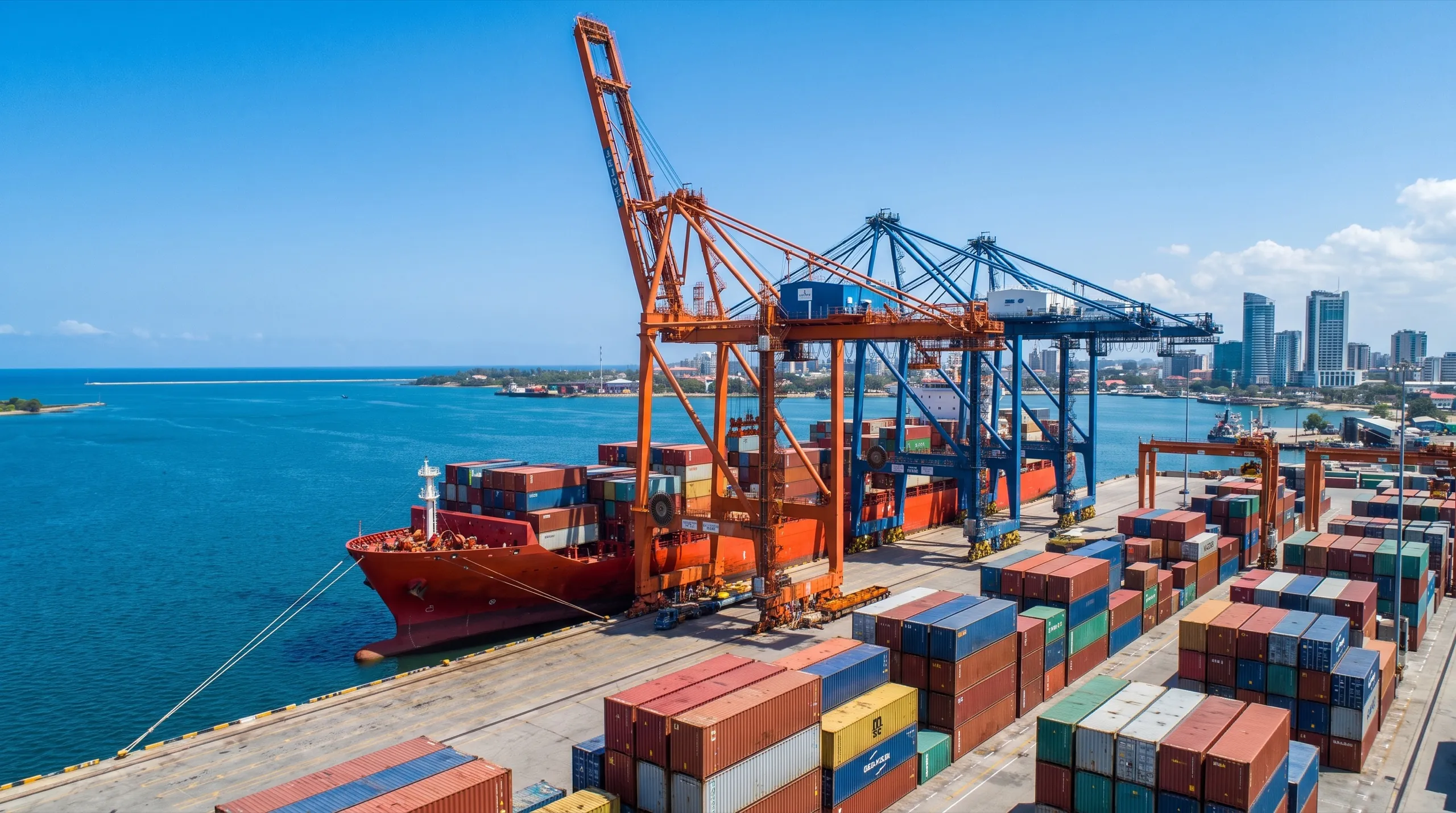
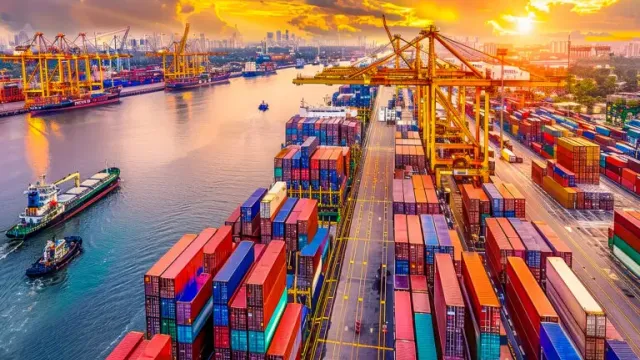
Home to the port of Dar es Salaam, where TMA works to cut cargo dwell time and connect neighbouring markets to the sea.
A Coastal Gateway for the Region's Landlocked Heart
Tanzania’s geography positions it as a natural trade hub for East, Central, and Southern Africa. Encircled by eight countries – Kenya, Uganda, Rwanda, Burundi, Democratic Republic of Congo (DRC), Zambia, Mozambique, and Malawi – and with a 1,400 kilometre stretch of Indian Ocean coastline, Tanzania offers trade routes through the Port of Dar es Salaam, which remains one of the busiest in the region.
Secondary ports in Tanga and Mtwara, which connect to the Tanga and Mtwara corridors respectively, offer emerging routes. Tanga Corridor connects northwards to Uganda, Burundi, Rwanda and Kenya, while Mtwara reaches Southern Tanzania, towards Mozambique and Malawi. Moreover, the Southern Agricultural Growth Corridor of Tanzania (SAGCOT), which is rich in agricultural resources, promises a logistical lifeline for the wider region.
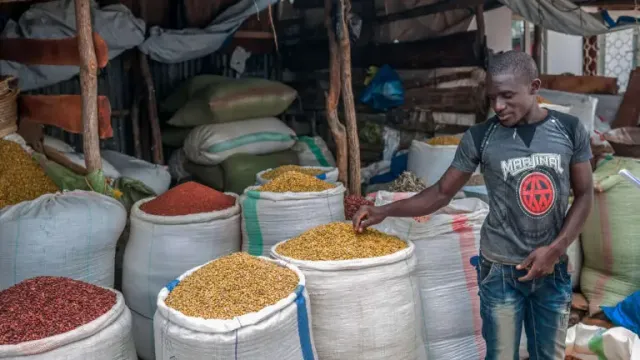
Agriculture contributes approximately 26% of GDP; however, export performance in subsectors such as grains, horticulture, livestock, and fisheries, continues to be hampered by infrastructure deficits, limited value addition, and challenges in meeting international standards. In newer sectors such as seaweed, particularly in Zanzibar, production remains largely informal and underfinanced.
The Government has taken steps to modernise the trade environment with major infrastructure improvement underway and the launch of the revised National Trade Policy (NTP) in July 2024. The NTP prioritises regulatory reform, institutional coherence, and digitalisation of trade processes to improve competitiveness.
Signs of progress are emerging as Tanzania’s exports to regional partners continue to rise. Between 2016 and 2023, exports to the East African Community (EAC) almost tripled, from TZS 1.12 trillion, (approx. $418million). Over the same period, exports to the Southern African Development Community (SADC) doubled in trillions.
From early milestones to a 2030 vision
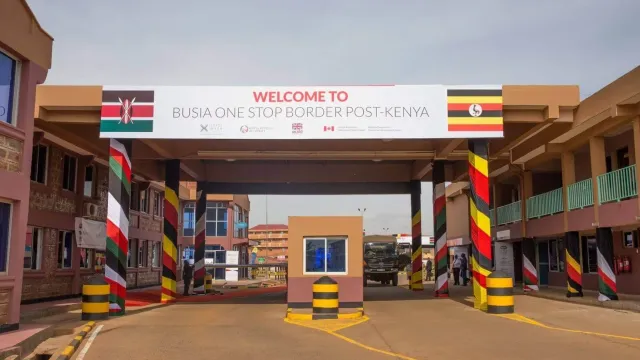
For more than a decade, TMA has partnered with the Government of Tanzania and the private sector to turn trade facilitation into measurable results. Backed by roughly $120 million in donor funding, the partnership resolved chokepoints at Dar es Salaam port with construction of deeper berths, upgraded roads, and wider gates for faster cargo evacuation, while construction and operationalisation of four one-stop border posts – Tunduma, Kabanga, Mutukula and Holili – including installation of cargo scanners, now ensures cargo moves through faster.
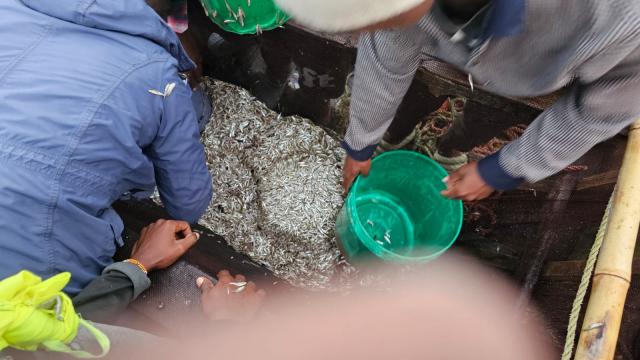
Domestic quality and sanitary and phytosanitary (SPS) regimes in Zanzibar and on the mainland, particularly through collaboration with the livestock and fisheries, agriculture, and industry and trade ministries, have been lifted to international standards, giving Tanzanian horticulture and seafood a passport to premium markets. Red tape has been pared away as TMA’s facilitation underpinned the current National Trade Policy which provided frameworks for streamlined customs, standards and licensing procedures. Thousands of SMEs have been coached, certified and connected to buyers, adding fresh products to the country’s export mix.
TMA’s next seven-year strategy in Tanzania aims to cushion the nation against higher logistics costs, environmental shocks and shifting geo-politics, by facilitating programmes around the following portfolios:
Enhance trade and investment environment by supporting the review and development of trade-related policies and strategies identified in the National Trade Policy. These will include: polices on trade, local content, and investment; strategies on e-commerce and exports; implementation of regional and global trade agreements; and removal of non-tariff barriers.
Facilitate digitalisation of trade systems by completing customs automation; digitisation of permits and licences (including for standards agencies), development of a single window for investors, upgrades to certificates of origin systems, and enhanced corridor monitoring tools for the Dar and Central corridors.
Improve the quality and value of traded goods through partnerships with bureau of standards to strengthen SPS and standards laboratories, set up sector centres of excellence; and certify more firms so that Tanzanian produce meets high-value market requirements.
Build more resilient trade by expanding digital financial access and market tools for women and youth; fund civil society advocacy so their interests shape border and tax policy.
Facilitate improvement of physical connectivity through installation of smart border technologies and new scanner at major border crossing points to cut inspection queues, tighten security and reduce carbon heavy idling
Trade Reforms, in Motion





Latest from Tanzania

Results on the Ground
Dar es Salaam Port
2013 to 2018
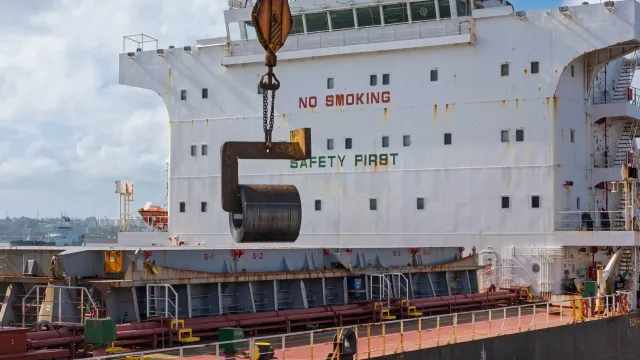
Facilitated the Tanzania Ports Authority to modernise Dar es Salaam Port through deepening berths, expanding gates, rebuilding access roads to gates 4, 5, 8a, and clearing obsolete sheds to speed container and bulk cargo handling, and clearance. Led to improved port competitiveness, quicker transit, and lower logistics costs for shippers.
Results
- 1Contributed to increased annual cargo volume from approx. 14 million metric tonnes in 2017 to 21 in 2022/233.
- 2Average dwell time for transit containers fell from 12 days in 2017 to 9.5 in 2021.
One Stop Border Posts (OSBPs)
2011 to 2022
With a mandate from the East African Community Secretariat and working with Government of Tanzania, TMA facilitated construction and operationalisation of four OSBP’s – Tunduma, Kabanga, Mutukula and Holili – backed by integrated digital clearance systems to streamline procedures, and strengthen staff capacity.
Results
- 1Truck clearance time at Tunduma reduced from 5 days to 1 thus better asset utilisation for transporters.
Digital Systems
Working with seven Tanzanian regulators to digitise the country’s trade paperwork by rolling out the Tanzania Mercantile Exchange (TMX) platform, the Agricultural Trade Management Information System (ATMIS), the Mifugo Integrated Management System (MIMS) for livestock and fisheries, and the single window (SWIFT) modules for medicines, standards, export processing zones and investment.
Results
- 1100% reduction in claim processing time as a result of digitisation of the Warehouse Receipt System (WRS) Form 7 in Tanzania.
- 2Livestock and fish permits issued in one hour in 2024, down from wait time of 14 days in 2022, resulting in quicker export cycles, broader export base, and doubling of government revenue once MIMS went live.
- 3Farmers trading through TMX doubled their earnings compared to their counterparts using informal channels, resulting in better rural livelihood outcomes.
Increased Export Capacity of Horticulture Producers in Tanzania
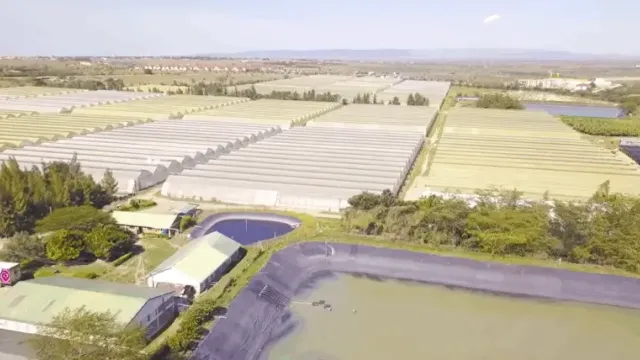
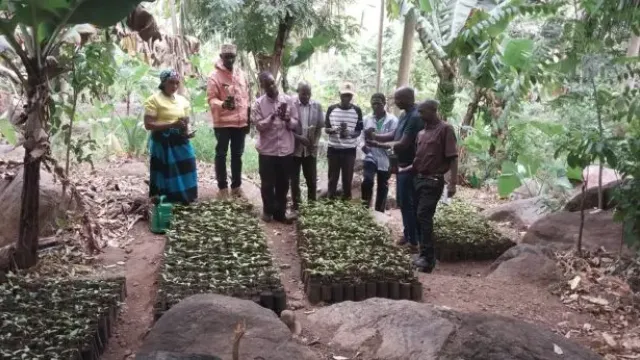
Facilitating Tanzania Horticultural Association to train more than 1,000 farmers, securing standards certification for five pack houses and five exporting companies, and linking local firms to buyers in Europe and Asia through trade and investment forums.
Results
- 1$18 million in additional exports recorded by targeted firms between 2021 and 2023.

Elibariki is a seasoned trade professional with over a decade of experience in the development sector. In his current capacity, he champions for the participation of Women in Trade in Tanzania, having fundraised over $1 million for women programmes in the last two years, conceptualise and lead infrastructure projects at the Port of Dar es Salaam and inland borders, and build partnerships with international development partners and Tanzania’s trade agencies to enhance the country’s business competitiveness. Prior to his current role, he served as Chief of Party at TetraTech a US based company for the USAID Feed the Future Tanzania Private Sector Strengthening Activity, and was previously the National Coordinator for the Non-Tariff Barriers Elimination Programme at the Tanzania Chamber of Commerce, Industry and Agriculture (TCCIA), as well as Trade Officer at the Ministry of Industry and Trade. Shammy has served as an Assistant Lecturer in the Department of Management and Economics at the Institute of Finance Management and holds a master’s degree in international trade and a bachelor’s in business administration from the University of Dar es Salaam.