South Sudan
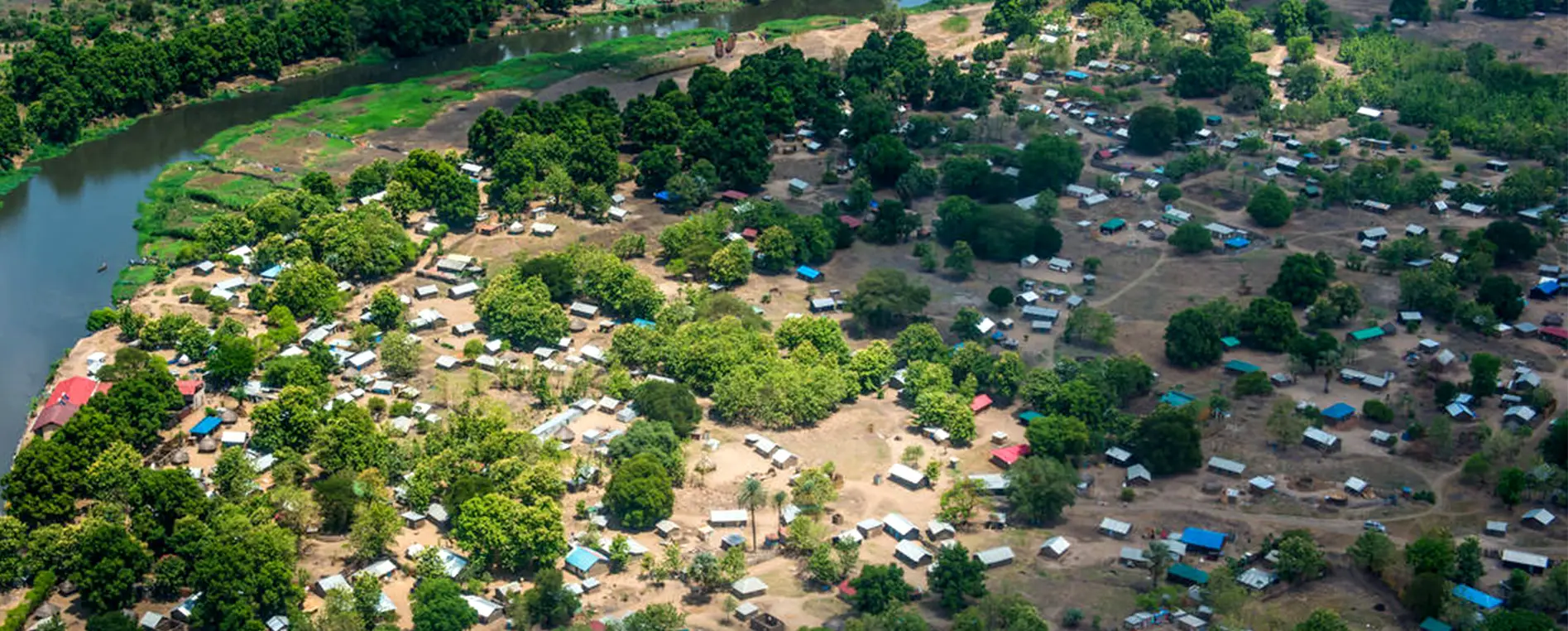
TMA supports trade facilitation and border infrastructure that help South Sudan connect to regional markets.
A Young, Landlocked Nation Building Its Trade Backbone
South Sudan became the world’s newest nation in July 2011. Since then, it has embarked on a complex but resolute journey of building national institutions, fostering stability, and unlocking economic potential while navigating bouts of conflict
Home to around 11 million people and sitting at the inland end of the Northern Corridor, it occupies a natural crossroads between East and Central Africa. Oil remains the backbone of the economy, which, as of 2023 has contributed over 90% of export earnings and public revenue, leaving the treasury exposed to global oil price fluctuations.
From early milestones to a 2030 vision
Since 2013, TMA has worked alongside the Government of South Sudan and its partners to reduce the cost and time of trade, particularly at Nimule/Elegu border which is the entry point for over 80% of goods, including humanitarian aid. Lack of adequate border infrastructure and systems causes chronic delays, contributing to shortages of supplies like food and medicine.
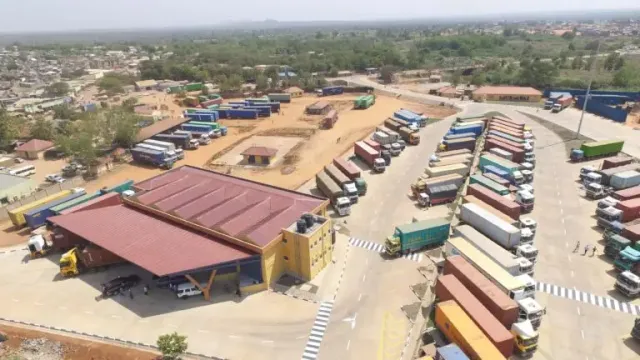
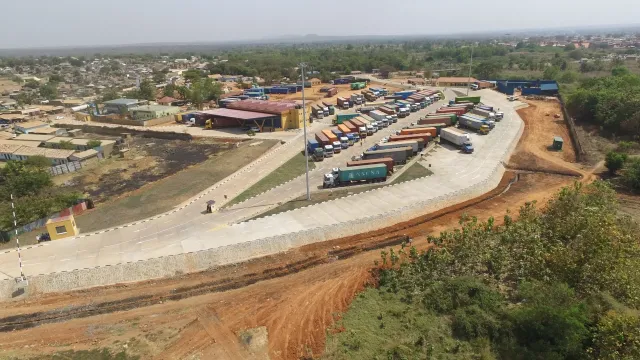
TMA supported the construction of a modern border post, complete with an administration block, inspection yards, parking for 150 trucks, and upgraded access roads. Border officials were trained on integrated controls, while simplified trade procedures were introduced to support more efficient clearance processes. Inclusion was woven into design and delivery, with women and persons with disabilities deliberately engaged for employment in construction and border operations, a notable achievement given prevailing gender norms in the region.
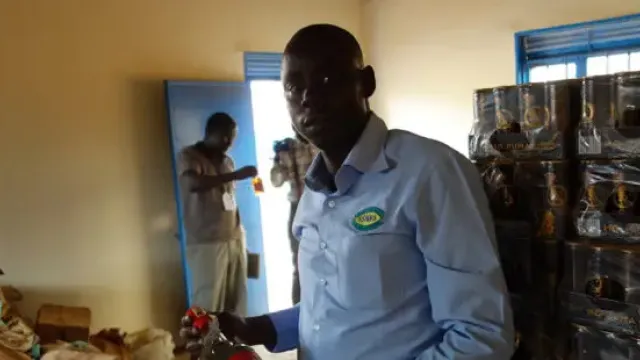
To support regional integration following South Sudan’s EAC accession, TMA facilitated institutional capacity and engaged civil society to understand their roles and opportunities in a regional market. Support to the Bureau of Standards was provided through laboratory upgrades in Juba and Nimule, regulatory reforms including alignment with international standards, and training. Work on eliminating non-tariff barriers led to a national monitoring system being developed.
Supported the Reform of the Burundi Revenue Authority (OBR)
Merging customs and tax services into a single more efficient institution. This contributed to a boost in domestic revenue rising from under 300 billion BIF in 2009 to over 550 billion BIF by 2013 giving the government fiscal space to invest in national priorities.
Construction of the Kobero–Kabanga One Stop Border Post
By simplifying border procedures, it helped reduce cargo transit times across the corridor by 70%. In the wake of the 2015 political crisis, TMA refocused its approach, placing greater attention on supporting women traders and those often excluded from cross border trade.
Partnership with the United Nations Conference on Trade and Development
This led to the digitalisation of OBR's systems, including the roll out of ASYCUDA platform and the Electronic Single Window (eSW), an automated system for processing exports and imports. As a result there has been an 80% reduction in time taken to process import permits.
Building on this foundation, TMA’s new phase in South Sudan focuses on deepening trade corridor efficiency, strengthening standards and digital systems, and enabling private sector-led growth.
Programming will focus on reforms that lower trading costs, knit South Sudan into regional supply chains and give public agencies the skills to keep the system running. Specifically, long-term training and technical assistance with growing capital investment will be provided. Customs, standards, and transport regulators will receive hands-on mentoring; border posts and their feeder roads will be upgraded as resources allow; and targeted support for promising agri-businesses and women- and youth-led enterprises will widen the benefits. This will build an economy that trades outward, creates jobs at home and is resilient enough to weather the shocks that can knock it off course.
Trade Reforms, in Motion

Latest from South Sudan
Results on the Ground
Agricultural Subsidies
Collaborated with Government of South Sudan, the Chamber of Commerce, Agriculture and Industry, and the Shippers Council, to identify, register, analyse and report the nature and scope of NTBs that are a constraint to trade. The project allowed the Council to map NTBs in South Sudan and develop a strategy for their elimination. It has also assisted in creating an NTB National Monitoring Committee (NMC). As a result, a National Response system was developed and an NTB elimination strategy approved. Results(2018): The number of roadblocks between Nimule and Juba was reduced from 14 to 2. A dialogue mechanism was established between Uganda and South Sudan to continue to identify and monitor NTBs.
Strengthening Standards to Facilitate Trade
- 1Equipping laboratories in Juba and Nimule with modern tools to reduce testing turn around times.
- 2Developing a regulatory framework aligned with standards, quality, metrology and testing (SMQT),
- 3Installing solar power systems to ensure uninterrupted operations and lighting arresters to protect SMQT equipment
- 4Conducting training sessions in Juba and Nimule to raise public health awareness and improve service delivery capacity.
South Sudan EAC Roadmap Implementation
South Sudan joined the East African Community (EAC) in 2016 and committed to a three-year roadmap for full integration. However, progress was hampered by limited institutional capacity. TMA supported the country’s accession by strengthening the technical capabilities of its implementation team and promoting awareness and engagement among the private sector and civil society to support successful adoption of EAC commitments. Results Contributed to a development of a legal framework for customs that was passed into law by the National Parliament and signed into law by the President of South Sudan in May 2014.
Nimule OSBP
Nimule border is the main entry point for 80% of cargo into South Sudan, including humanitarian aid. In partnership with the South Sudan Ministry of Transport, TMA upgraded Nimule into a OSBP by streamlining border agencies operations, building a modern office block, access roads and a 150-cargo truck capacity parking lot and inspection yard, which were completed in 2020. Results Contributed to a reduction in clearance time at Nimule/Elegu border: at Nimule from 4 hours in 2013 to 2 in 2021, and from 60 hours at Elegu in 2013 to 1.5 in 2021. (Source: Independent Evaluation of the Nimule/Elegu One Stop Border Post, 2021 , Sustainable and Efficient Transport Infrastructure Portfolio Evaluation, 2025).
Safe Trade Facility
The EU and Inter-Governmental Authority on Development (IGAD) through TMA provided South Sudan with a $430,000 funding which involved provision of personal protective equipment for use by front line workers at the Nimule border and establishing protocols for establishing safe trade zones. Border officials and women traders were sensitised on COVID-19 standard operating procedures to facilitate safe trade. An e-commerce strategy was developed to enable online trading during the pandemic.

Anna is an accomplished leader in international law and trade development, with over two decades of legal and regulatory experience. In her capacity at TMA, she leads a portfolio that includes infrastructure development, agro-industry growth, digital innovation, green trade, standards harmonisation, private sector engagement, and policy reform across key regional trade corridors. Prior to joining TMA, Anna held advisory roles in major World Bank-funded initiatives, including serving as legal expert for the Regional Communication Infrastructure Project (RCIP) at Uganda's National Information Technology Authority (NITA-U) and leading legal efforts on Uganda's Business Licensing Reform Project. She also played a central role in coordinating Uganda's Doing Business reforms under the Ministry of Finance, Planning and Economic Development (MoFPED). She holds a Bachelor of Laws (LL.B) from Makerere University, a Postgraduate Diploma in Legal Practice from the Law Development Centre, and a master's of law (LL.M) in International and Comparative Law from The George Washington University Law School.