Digital Trade Systems
Modernising customs and cross-border trade systems so that businesses spend less time on paperwork and more time innovating and growing.
Trade at the Speed of Data
Border and documentary compliance are critical to the efficiency of trade-related supply chains. Perhaps the greatest success of the last two strategic periods (2010-2023) has been the growing application of technological advancements in the digital sector. By investing in digital trade infrastructure and processes, countries can reduce the inconveniences of manual interactions and ensure continuity of trade flows.
In 2017, it took an average of 251 hours (over 10 days) to complete paperwork for importing goods into sub-Saharan Africa, compared to just 9 hours in OECD countries (World Bank, Doing Business Report 2017). Such inefficiency is largely due to manual, paper-based processes, high transaction costs, multiple suppliers/agencies along the supply chain, minimal transparency, diminished trust and predictability, and approval delays.

Trade Runs Faster When It Goes Digital
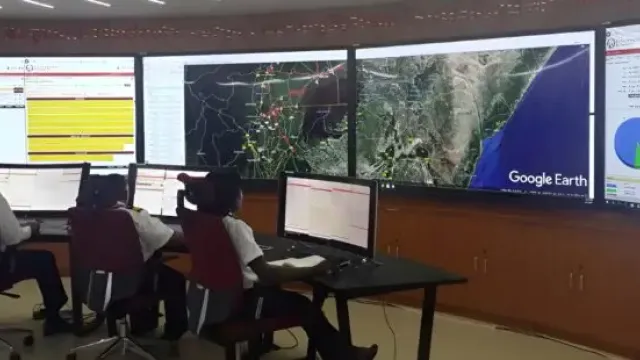
A partnership-driven approach with the private and public sector has propelled TMA’s digital trade agenda, which, up to December 2024, has facilitated over 100 digital portals. These include integrated customs systems, electronic cargo tracking systems, single window trade information portals, national single windows, and other trading systems targeting specific high productivity value chains such as tea and coffee, thus improving resilience and efficiency.
Electronic application in the movement of goods across borders saves time, reduces costs for traders and improves revenue collection. TMA is also harnessing innovations in Artificial Intelligence and Open Ledger technology, to provide a secure and transparent platform for recording and tracking trade-related transactions.
Trade Systems Digitalised in public and private sector between 2010 and 2024, cutting average transaction costs by 50%
Source: EDI Global Independent Evaluation of TMA ICT Projects, 2024
Where We Focus
Digital single windows
Work with Governments and agencies to digitise trade processes including through single windows, customs management systems, and trade portals.
ICT solutions
Deploy ICT solutions for enhancing market information access and improving financial inclusion.
Inclusive digital access
Increase the ability of poor women and youth to access digital trade processes and systems.
E-commerce and digital payments
Develop and enhance eCommerce platforms to link buyers with sellers; and digital payment systems to enable small businesses to trade across borders.
Interoperability across borders
Enhance the interoperability of customs and other systems between countries, to enhance Integrated Corridor and Border Management.
Emerging Results 2010–2024
Digital trade portals
These have resulted in a 32% reduced time for traders to process trade documents and activities, from an average of 206 hours in 2018 to 104 hours in 2023 and the cost has gone down by 50%, from an average of $29 in 2018 to $14 in 2023.
(Source: External Evaluation of ICT4T, January 2024, conducted by EDI Global.)
Cargo Tracking by Rail
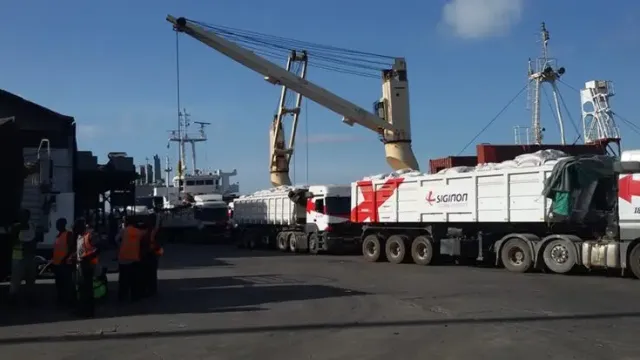
Cargo clearance time reduced at the Inland Container Depot in Nairobi for tagged containers from 12 days to 4 days; cost paid by cargo owners for extra days from $52m to an average of $3m or a 94% reduction.
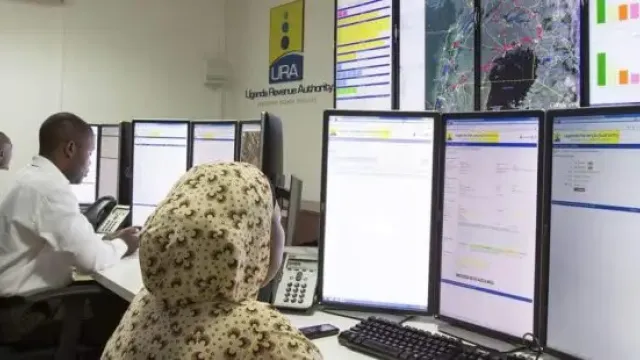
Support to Revenue Authorities
Cargo clearance time was reduced at the Inland Container Depot in Nairobi for tagged containers from 12 days to 4 days. The cost paid by cargo owners for extra days has gone down from $52 million to an average of $3 million, or a 94% reduction.
Kenya Revenue Authority
iCMS has reduced clearance time for air freight from an average of 2 days to 2-3 hours as of December 2021.
(Source: iCMS project report)
Projects, Case Studies and Impact









Explore Our Other Portfolios

Resilient & Inclusive Trade
Trade facilitation enables vulnerable groups to adapt during a crisis, while addressing the underlying causes …
View Portfolio
Greening Trade
Promoting sustainable logistics, cutting emissions on trade corridors, and supporting practical innovations wh…
View Portfolio
Physical Connectivity: Ports, Borders, Roads
Improving roads, ports, borders and trade corridors to move goods faster and reduce the cost of doing business…
View Portfolio
Trade & Investment Environment
TMA takes a multi-level approach, addressing the three key levels of coordination necessary: continental, regi…
View Portfolio
Quality & Value of Traded Goods
Harmonising Standards, Sanitary and Phytosanitary frameworks significantly enhances efficiency in trade flows.
View Portfolio