Resilient & Inclusive Trade
Trade facilitation enables vulnerable groups to adapt during a crisis, while addressing the underlying causes of such crises.
Trade That Includes Everyone
The impact of increasingly severe weather events and harsher long-term conditions on economies in TMA focus regions is likely to get worse, affecting agricultural production and livelihoods in the Sahel, East Africa and the Horn of Africa. Trade facilitation enables vulnerable groups to adapt during a crisis, while addressing the underlying causes of such crises. It makes the distribution of food and the trade of essential products faster and cheaper, connecting food-surplus to food-deficit countries. A consequence is a cost reduction in the distribution of food by humanitarian responders and a rise in the quality and predictability of staple food for vulnerable communities.
Markets Only Help If They Reach Everyone
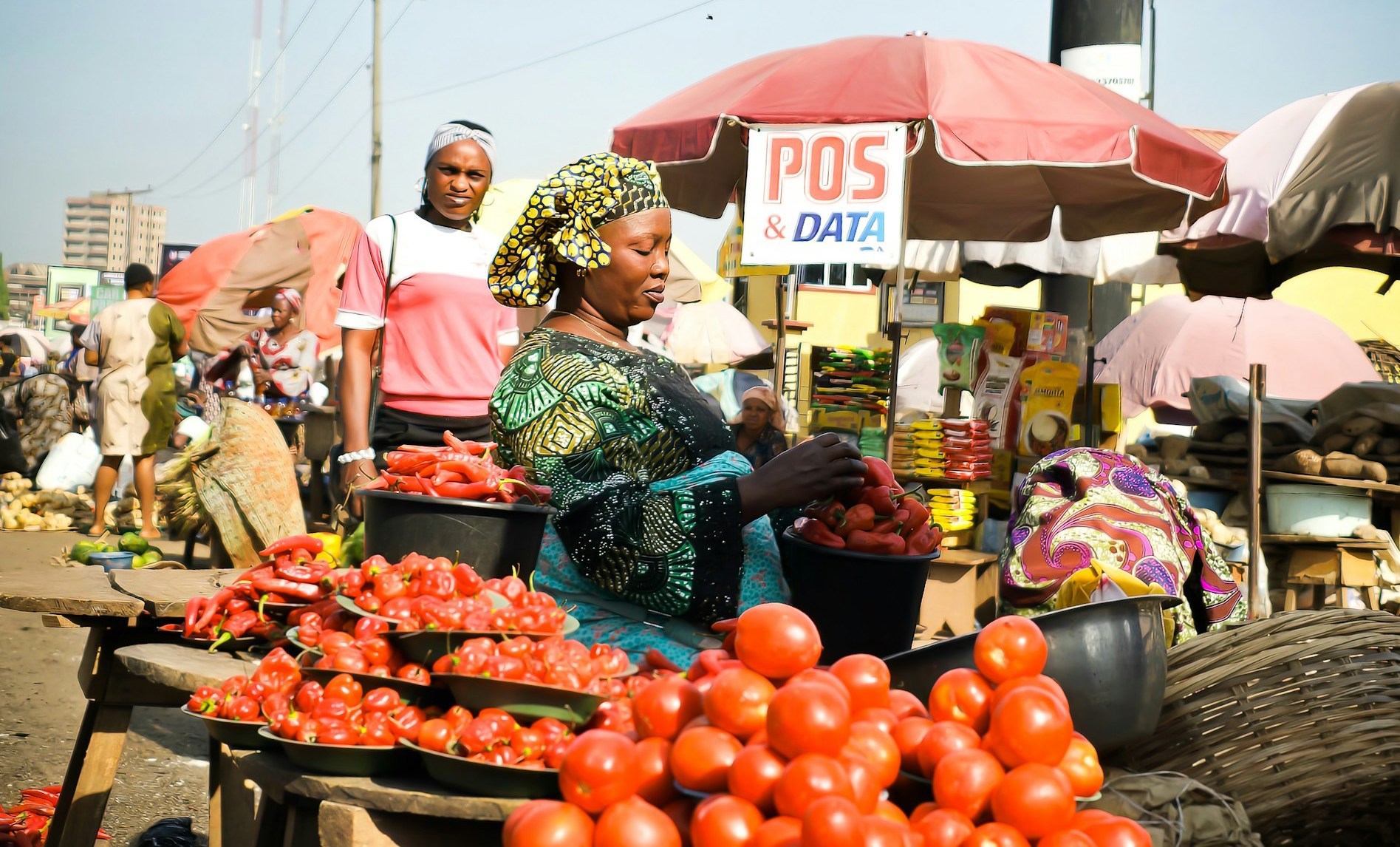
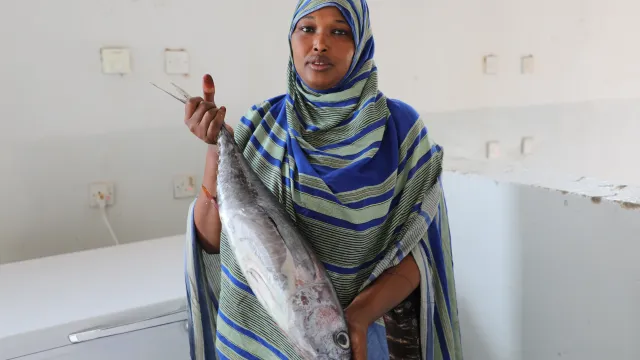
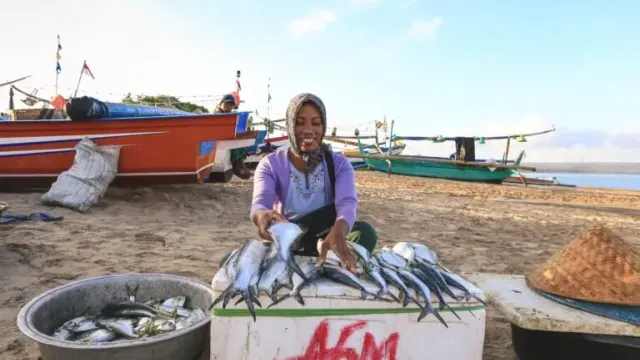
Ensuring Markets Reduce Poverty. If trade facilitation is to impact effectively on poverty reduction, it cannot ignore vulnerable and marginalised groups, including women, youth and people with disabilities. Young people constitute over 60% of Africa’s population, a number that will only increase, and closing the gender gap in trade could increase the value of exports from women-owned businesses by up to $1 trillion globally. Yet women- and youth-owned trade businesses in Africa continue to operate primarily in the informal sector, putting them at a disadvantage in accessing logistics, business development services, finance, and the trade regulatory information they need to grow their businesses. Making markets work for the poor, therefore, requires targeted investments that increase business formalisation, reduce specific barriers for small businesses, and boost market access.
Traders moved to formal trade between 2018 and 2024 via cooperatives against a target of 20,000. 23% increase in incomes.
Source: Women in Trade End-Term Evaluation, 2024
Where We Focus
Regional food trade
Make regional food trade in staple crops more efficient, competitive and structured, through greater compliance with standards and sanitary measures, better aggregation and storage, and increased access to finance.
Trading food aid
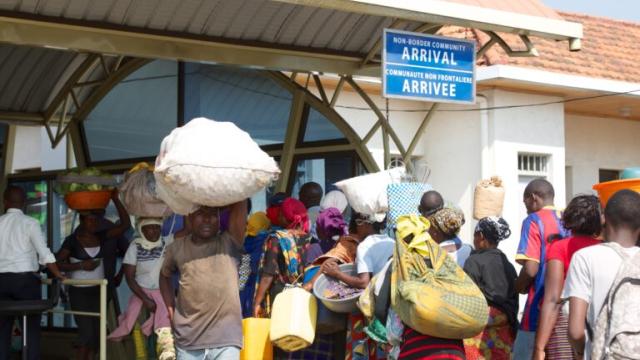
Increase the speed of trading food aid-related cargoes at One Stop Border Posts (OSBPs) through green channels, and reducing bottlenecks for humanitarian payloads at borders.
Youth and women support
Support youth and women, especially cross-border traders, to organise into cooperatives, enhance the quality of their businesses, and increase their access to information and services.
Simplified trade reforms
Promote trade reforms that enhance access for vulnerable groups, including implementation of Simplified Trade Regimes, creation of Joint Border Committees, and streamline regulations and border processes.
Emerging Results 2010–2024
Horticulture Market Assistance Programme (HMAP)
By 2023, over 50,000 tons of produce were sold by farmers supported under the Horticulture Market Assistance Programme (HMAP) in Kenya, with over 7,800 small- and medium-scale farmers linked to markets. In Tanzania, HMAP linked 10 firms and over 1,100 farmers to targeted export markets, with over 61,000 users supported to access market information. The project was implemented from 2017 to 2023.
iSOKO Digital Platform
The iSOKO digital platform (mobile, web and USSD), developed and hosted in 4 countries – Uganda, Rwanda, Tanzania and Burundi – is designed to facilitate improved access to information and markets, reducing the time-poverty faced by women traders. By the end of 2023, over 45,000 people were using the platform to trade, generating an average cost saving of $22 per month.
Women in Trade Programme
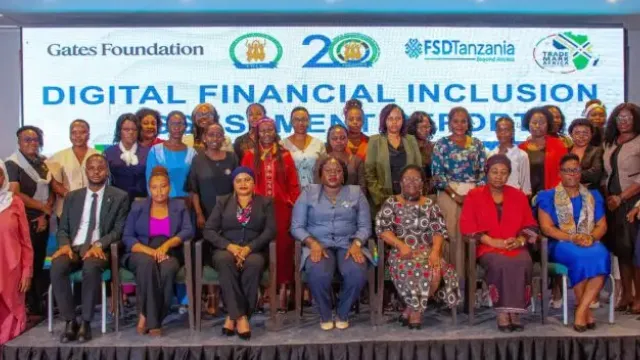
Implemented from 2019 to 2023, this programme linked 239,000 traders to new markets and trading opportunities. Notably, 23,000 women cross-border traders transitioned to formal trading through the establishment of associations, clusters, or cooperatives. In addition, 14 border crossings were equipped with physical resource centres where traders easily access trade information and necessary cross-border support from border officials.
(Source: TMA Women in Trade end of project report.)
Export Capacity Support
Support for export capacity has generated $24.8 million in export value, leveraging additional finance of $130 million for supported firms in Tanzania, Rwanda and Kenya – mainly under the horticultural value chains – with the Tanzania Horticultural Association (TAHA) and the Fresh Producers Associations of Kenya (FPEAK) contributing close to 90% of the export value.
Projects, Case Studies and Impact
Explore Our Other Portfolios

Greening Trade
Promoting sustainable logistics, cutting emissions on trade corridors, and supporting practical innovations wh…
View Portfolio
Physical Connectivity: Ports, Borders, Roads
Improving roads, ports, borders and trade corridors to move goods faster and reduce the cost of doing business…
View Portfolio
Digital Trade Systems
Modernising customs and cross-border trade systems so that businesses spend less time on paperwork and more ti…
View Portfolio
Trade & Investment Environment
TMA takes a multi-level approach, addressing the three key levels of coordination necessary: continental, regi…
View Portfolio
Quality & Value of Traded Goods
Harmonising Standards, Sanitary and Phytosanitary frameworks significantly enhances efficiency in trade flows.
View Portfolio