Swedish Initiative for Facilitating Trade in Africa (SWIFT)
SWIFT will aim to dismantle existing trade barriers and create a more conducive environment for seamless trade along select trade corridors and countries by focusing on improving trade policies, infrastructure, and inclusivity..
- Period
- 2024 to 2028
- Countries
- Côte d'Ivoire, Ethiopia, Ghana, Kenya, Rwanda, Somalia, Uganda
- Implementing partners
- AfCFTA, COMESA, EAC, ECOWAS, IGAD, Corridor Member States - Abidjan-Lagos (Cote d’Ivoire, Ghana, Togo, Benin, and Nigeria), Berbera (Ethiopia and Somaliland), and LAPSSET (Kenya, Ethiopia and South Sudan), revenue authorities, Joint Border Committees (JBCs), and National Trade Facilitation Committees (NTFC)
Project rationale
SWIFT will aim to dismantle existing trade barriers and create a more conducive environment for seamless trade along select trade corridors and countries by focusing on improving trade policies, infrastructure, and inclusivity. The project will use a regional approach across the Abidjan-Lagos (ALCo), Berbera, and LAPSSET corridors, and with targeted national-level interventions in Kenya, Rwanda and Uganda. These focus areas were identified as key trade routes where delays, fragmented systems, insufficient infrastructure, and inefficiencies significantly impact trade volumes and costs, yet with the highest potential of fostering regional integration and increasing trade volumes in East, West, and Southern Africa.
Implementation strategy
TMA is working with relevant stakeholders in member states across the three corridors, COMESA, EAC, ECOWAS, AfCFTA, and in Kenya, Rwanda and Uganda to implement the project. Key interventions for the programme include:
- Customs Interconnectivity: Deployment of the SIGMAT digital customs solution across all corridor countries, for example, integrating it into Ghana’s ICUMS system, and upgrading the regional eHub in Lomé. New modules, such as ePhyto and eCertificates of Origin, will further streamline trade processes.
- Inter-Agency Connectivity: Upgrade Single Window systems and enhance real-time data sharing between regulatory bodies. Change management programs will equip personnel with the skills to use digital platforms effectively.
- Trade Facilitation and Customs Harmonisation: Development and implementation of strategies and action plans to reduce trade costs, time, and barriers. For example, in the Berbera Corridor, efforts will centre on formalising the transit agreement between Somaliland and Ethiopia, a critical step in ensuring the smooth movement of goods and boosting trade volumes.
- Governance and Coordination: Form a Programme Steering Committee under ECOWAS and the AfCFTA Secretariat and convene a Donor Coordination Roundtable to align resources and ensure transparency.
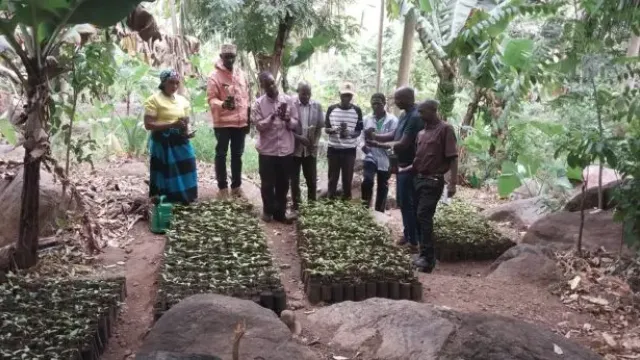
- Capacity Development and Inclusive Infrastructure: Trainings, rest areas and rain protection for products will target women traders for their enhanced access to export markets, and to promote sustainable business practices.
Expected outcomes
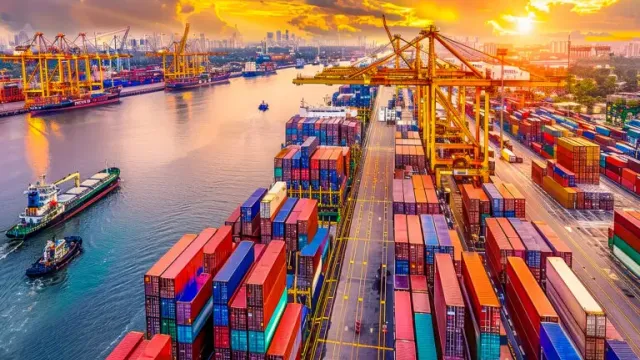
- Improved Physical and Digital Trade Infrastructure: Key investments in last-mile infrastructure across almost all SWIFT border posts, will be central to reducing transit times and costs. This will include upgrading ports, roads, and border facilities, installing renewable energy, water, shade, drainage, bridges, and digitalisation. These improvements will be vital for enhancing the competitiveness of the selected corridors and supporting the efficient flow of trade.
- Improved Trade Policy and Systems: This will involve harmonisation and simplification of trade policies, supported by the deployment of digital solutions. By streamlining customs procedures and enhancing transparency, SWIFT seeks to reduce non-tariff barriers and expedite the movement of goods and services across borders.
- Improved Inclusivity of Trade: Ensuring the benefits of trade are accessible to all, especially women, youth, and marginalised communities, is a core objective. SWIFT will establish gender-responsive infrastructure and policies, ensuring the programme's benefits are equitably distributed.