Strengthening Capacity for Women and Young Cross-border Traders in West Africa
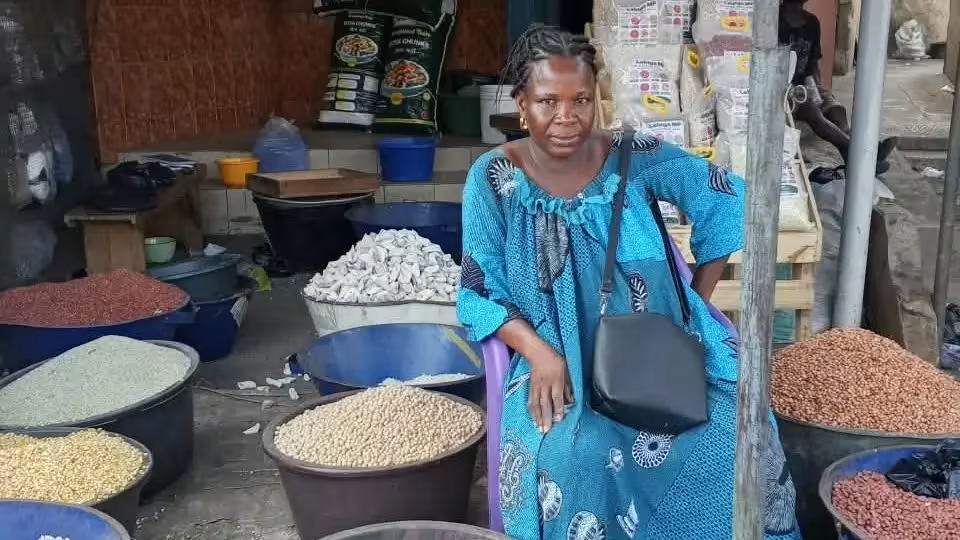
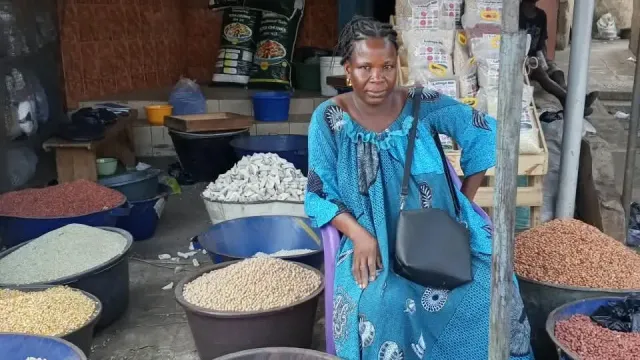
For Ms. Labiga Télate, a cereal trader and businesswoman, crossing a border is part of everyday business. She moves grains from Togo into Ghana and Benin, buying in bulk and selling through wholesale and retail markets. For years, each border crossing came with a question: Would she have the right documents? Would she know what was required? Would she be able to move her goods without unnecessary difficulty?
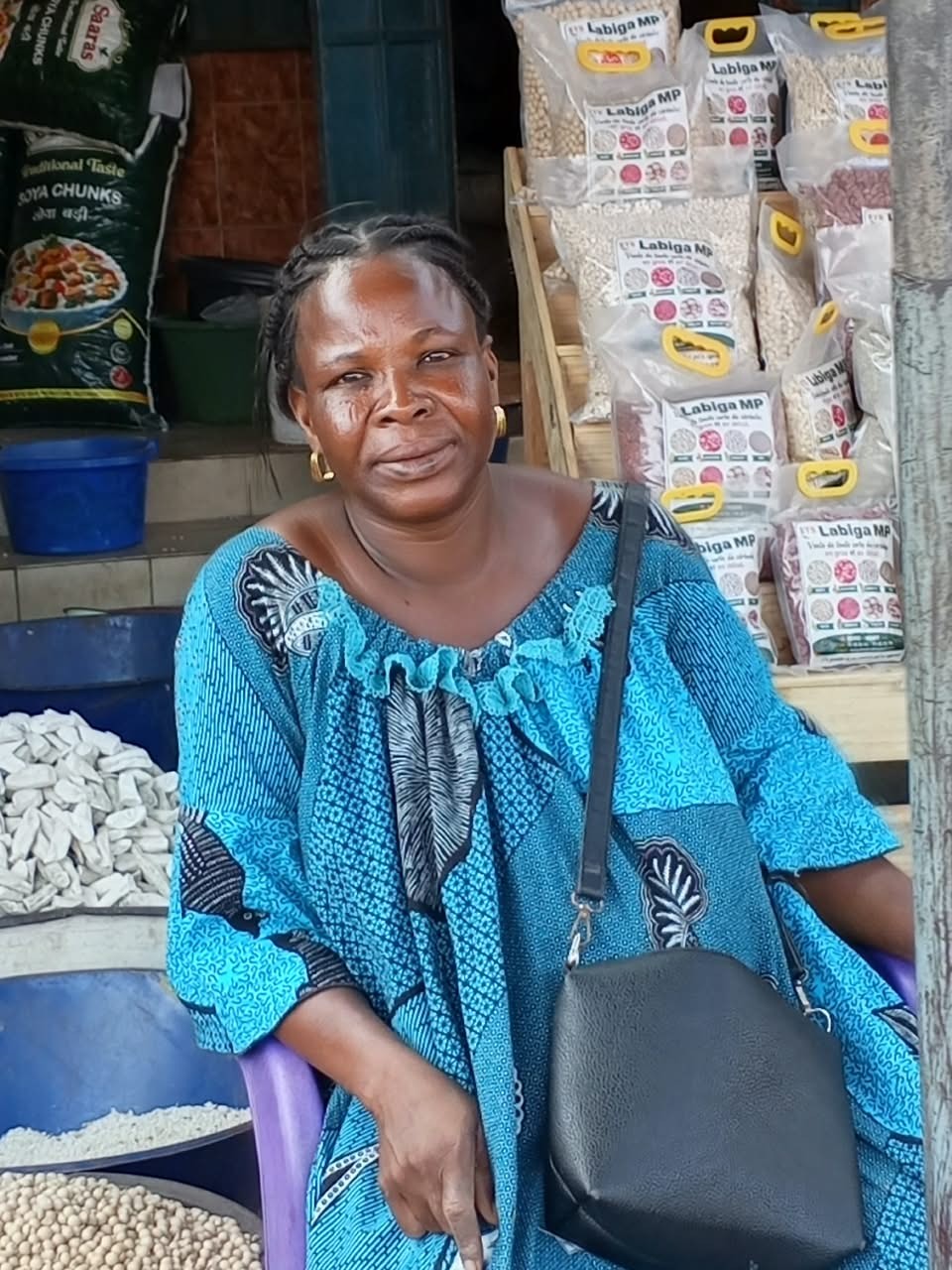
“I was afraid to cross the borders because I did not know what to expect. It was either our documentation was insufficient or we did not have the right documentation,” she recalled.
Labiga says that, faced with such uncertainties, traders sometimes choose informal routes rather than formal border crossings. Even when using formal routes, she recalled difficult interactions with uniformed officials and uncertainty over legitimate payments.
For Labiga, knowledge has begun to change that experience. In 2026, she joined other cross-border traders in Togo for training on their rights and responsibilities as traders. The training forms part of the Making Trade Work for Women in West Africa (MTWW) programme, implemented by TradeMark Africa in partnership with CECI to strengthen inclusive and gender-responsive trade across West Africa.
“I have gained a clearer understanding of the procedures, documentation and protections available to me. I am now more confident navigating my business at different borders. I am able to question illicit payments and speak up when faced with unacceptable treatment,” she says. Her experience reflects the change MTWW seeks to advance, namely, enabling women traders to move from uncertainty to more informed and confident participation in formal trade.
The work also extends to the frontline officials who manage trade at border crossings. In July, MTWW brought together 100 border officials in Aného and Lomé, Togo, for practical training on the AfCFTA Protocol on Women and Youth, Sanitary and Phytosanitary (SPS) measures, product traceability and the prevention of gender-based violence (GBV).
By strengthening both trader knowledge and frontline capacity, MTWW is helping create safer, more predictable and more inclusive conditions for women and young people to participate in regional trade.